Genres6 min read
How to write a pop song that sticks, from hook to bridge
What makes pop music pop, from BPM and chords to song form, and how to write a pop song people sing back: hook, chorus, pre-chorus and verse, with examples.
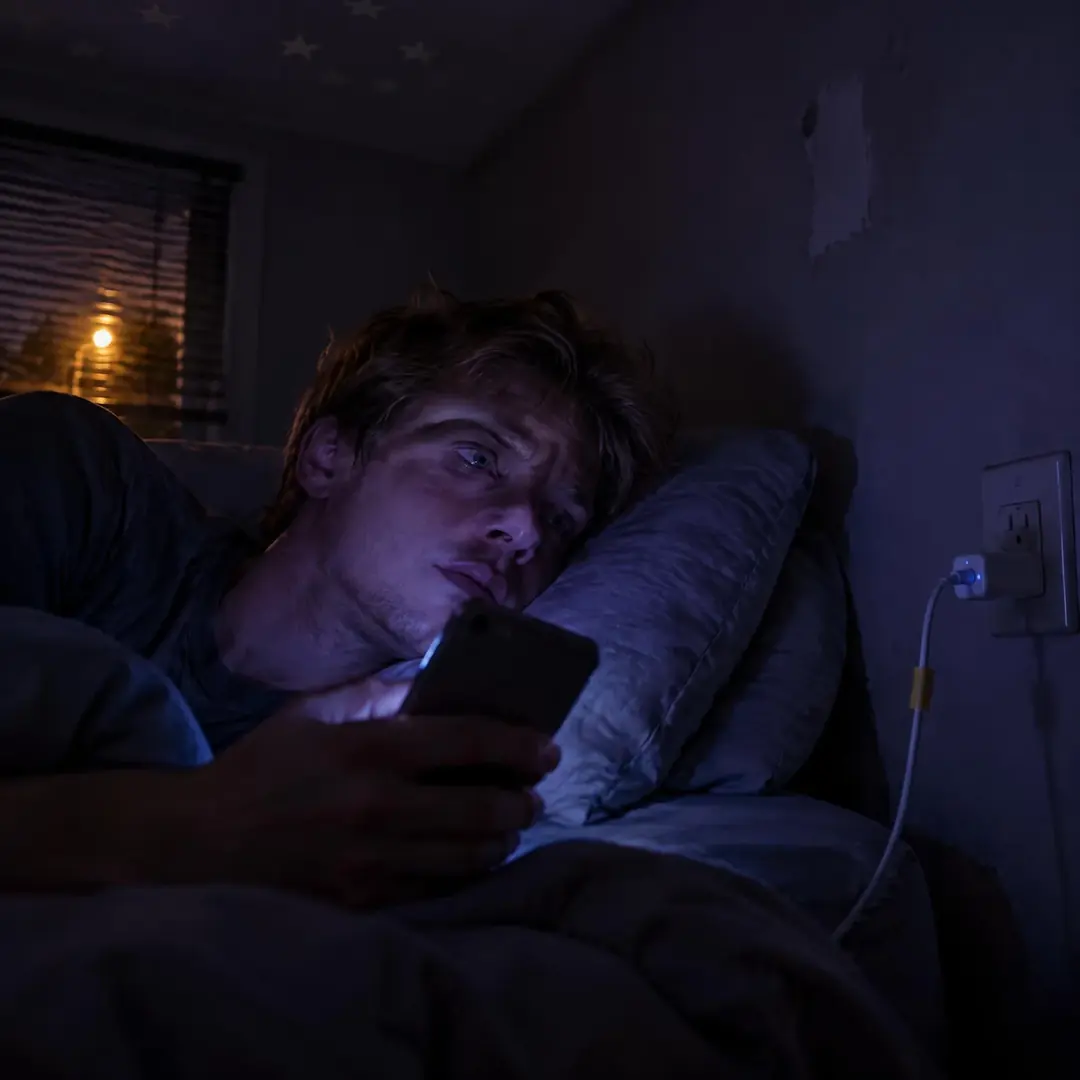
Learning how to write a pop song starts with one idea: pop isn’t a sound, it’s a goal. It’s a song built so that a lot of people can sing it back after a listen or two, dressed in whatever the radio, the club and the phone sound like that year. The fashions change. The craft barely moves.
That craft is a title people already say, a chorus that arrives early and lifts above the verse, words that repeat on purpose and one sound you’d know in two seconds.
Where pop comes from
Pop is short for popular, and its craft is older than the word. From the late 1800s, Tin Pan Alley writers in New York sold songs as sheet music, so a tune had to be easy to remember. In the 1960s the Brill Building writers, Carole King and Gerry Goffin among them, wrote hits to order, and the Beatles and Motown made the short single the heart of the business.
ABBA won Eurovision in 1974 with “Waterloo” and turned Swedish pop into an export. In the 1990s Cheiron Studios in Stockholm, where Max Martin learned the trade from Denniz PoP, made hits for the Backstreet Boys and Britney Spears. In 2019 Billie Eilish and her brother Finneas topped the charts with an album made in his bedroom.
What makes pop music pop
Listen for these habits; they run through every decade:
- Tempo. A lot of pop sits between about 90 and 130 BPM: dance-pop around 115 to 128, ballads at 60 to 80. Many current songs pair fast hi-hats with a half-time feel, so 140 BPM can feel like a relaxed 70.
- Chords. Three or four, on a loop. The best known is I–V–vi–IV (in C: C, G, Am, F), under the verses of the Beatles’ “Let It Be” and Adele’s “Someone Like You”. Start it on the minor chord, vi–IV–I–V, and the mood darkens. Often the loop never changes, and the melody tells the verse from the chorus.
- Form. Verse, pre-chorus and chorus, twice, then a bridge and a last chorus, in blocks of four bars: an 8- or 16-bar verse, a 4- to 8-bar pre-chorus, an 8-bar chorus. Many songs add a post-chorus, a chant or a riff that works as a second hook.
- Voice. Close, loud and clear. The chorus is doubled or stacked in harmony, the melody stays within about an octave, and the ad-libs wait for the last chorus.
- Production. One sound you’d know anywhere, like a synth riff or a chopped vocal. Just before the chorus something drops out or rises, so the chorus lands bigger.
How to write a pop song, step by step
Pop is easiest to write backwards, from the chorus out.
1. Find a title people already say
The strongest pop titles are things people say to each other: a promise, a plea, a line at the door. “Lost in my emotions” is a mood; “Don’t wait up” is a scene anyone can sing. Texts After Midnight built a whole hook on a phrase couples type every night: “We never said ‘I love you’, we said ‘text me when you’re home’.”
2. Write the chorus first
Write four or eight lines around the title, with the title on the first line, the last or both. Keep the lines close in syllable count, rhyme by sound and put open vowels on the long notes:
Leave the light on, I’m on my way,
last bus home through a town gone grey,
leave the light on, don’t wait by the door,
I’ll see it glow on the second floor.
The title opens lines one and three, every line has eight or nine syllables, the rhymes are heard rather than spelled, and nothing says “I love you”: the window does. The nine habits of a chorus people remember go further.
3. Make the pre-chorus a ramp
The pre-chorus makes the chorus feel inevitable. Shorten the lines, step the melody up and keep the chords off the home chord (IV to V is the classic ramp). End on a set-up, not a full stop:
Two more stops, one more hill,
if you’re asleep, that’s fine, but still…
4. Let the verse show, not tell
The verse sits lower and talks more; it puts the listener in the scene. “I miss you more than words can say” tells. “Four percent on my phone, and I’m saving it for you” shows, never says “miss”, and you still know the feeling. Give the second verse a later moment, so the same chorus means more when it returns.
5. Use the bridge for a new angle
After two choruses the ear wants a change. Start on a chord the loop doesn’t start on, like the IV or the vi, thin out the drums and say what the choruses haven’t: the doubt, the confession. Eight bars is plenty.
Pop songs to study
One lesson from each:
- The Beatles, “She Loves You” (1963): it opens on the chorus, so the hook comes first.
- Michael Jackson, “Billie Jean” (1983): the bass line is a hook before a word is sung.
- Britney Spears, “…Baby One More Time” (1998): Max Martin’s song grabs you in its first seconds.
- Kelly Clarkson, “Since U Been Gone” (2004): a quiet, tight verse, then a chorus that explodes.
- Robyn, “Dancing On My Own” (2010): a broken heart on a dance beat.
- Billie Eilish, “bad guy” (2019): a whispered, close voice and a lot of space.
- The Weeknd, “Blinding Lights” (2019): a 1980s synth riff made current.
- Olivia Rodrigo, “drivers license” (2021): an everyday object as the title, and a bridge as the climax.
How to make pop stand out today
- Get to the point. Open with the hook or your strongest line, and cut intros that only warm up. On Vibnelo, a hook a listener skips within 4 seconds sinks in their For you for a week; how to find the hook in your song shows where to start.
- One sound, one detail. Give the song one riff or vocal chop no other song has, and one detail nobody else would write: a charger left plugged in by the bed belongs to one story. Late-night pop is built on details like that.
- Words against the beat. Sad words on a bright groove, or a soft voice on a hard beat. The friction keeps people listening.
- Your own language. A pop song in Croatian or Spanish runs on the same rules as one in English: a title people say, a chorus that lifts.
A quick check before you record
- Is the title something a person would say out loud?
- Does the first chorus arrive inside the first minute?
- Does the chorus sit higher, with longer notes, than the verse?
- Can you hum the chorus tomorrow without looking?
Then try it on strangers. Drop the whole song into Hook Lab: it finds the best part, which you can cut to 8 seconds or keep at 30, and uploads only that; the full song stays on your device (uploading needs a free account, from age 16). In music battles a hook only meets its own genre and league, names hidden, so pop is judged against pop. The pop hooks already on Vibnelo are below, hottest first.
Questions people ask
What BPM is pop music?
Most pop sits between about 90 and 130 BPM, with ballads around 60 to 80. Many songs feel slower than their tempo because the drums play in half-time.
What chords are used in pop songs?
Usually three or four chords from one key on a loop, most often I–V–vi–IV, vi–IV–I–V or the older I–vi–IV–V of Ben E. King’s “Stand by Me”. The chords rarely make a pop song special; the melody and the words do.
How long should a pop song be?
There’s no fixed length, but around three minutes is normal. More important is when the chorus arrives: aim for the first one inside the first minute.
Can I write a pop song without playing an instrument?
Yes. Sing melodies into your phone over a simple loop or beat; a lot of pop is written as a topline, the melody and words, over a track someone else made.
 Text Me When You're Home
 Left the Group
 Almost's All I Got
 Lock Screen
 Muted, Not Blocked
 Archived Us
 Still Typing
 Shared Album
 Ninety-Eight Percent Match
 Finishes Your Name
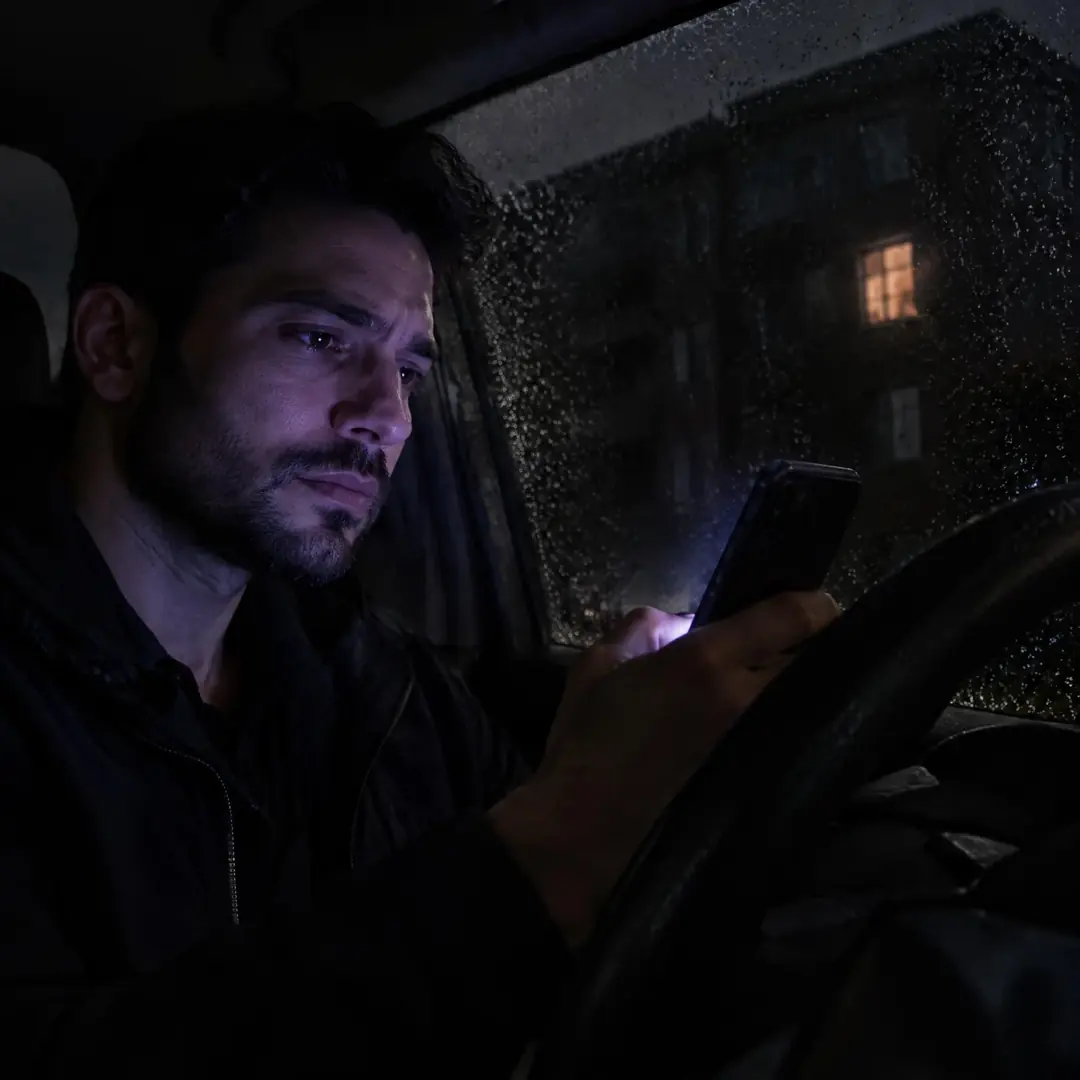 Screen Time, Real Time
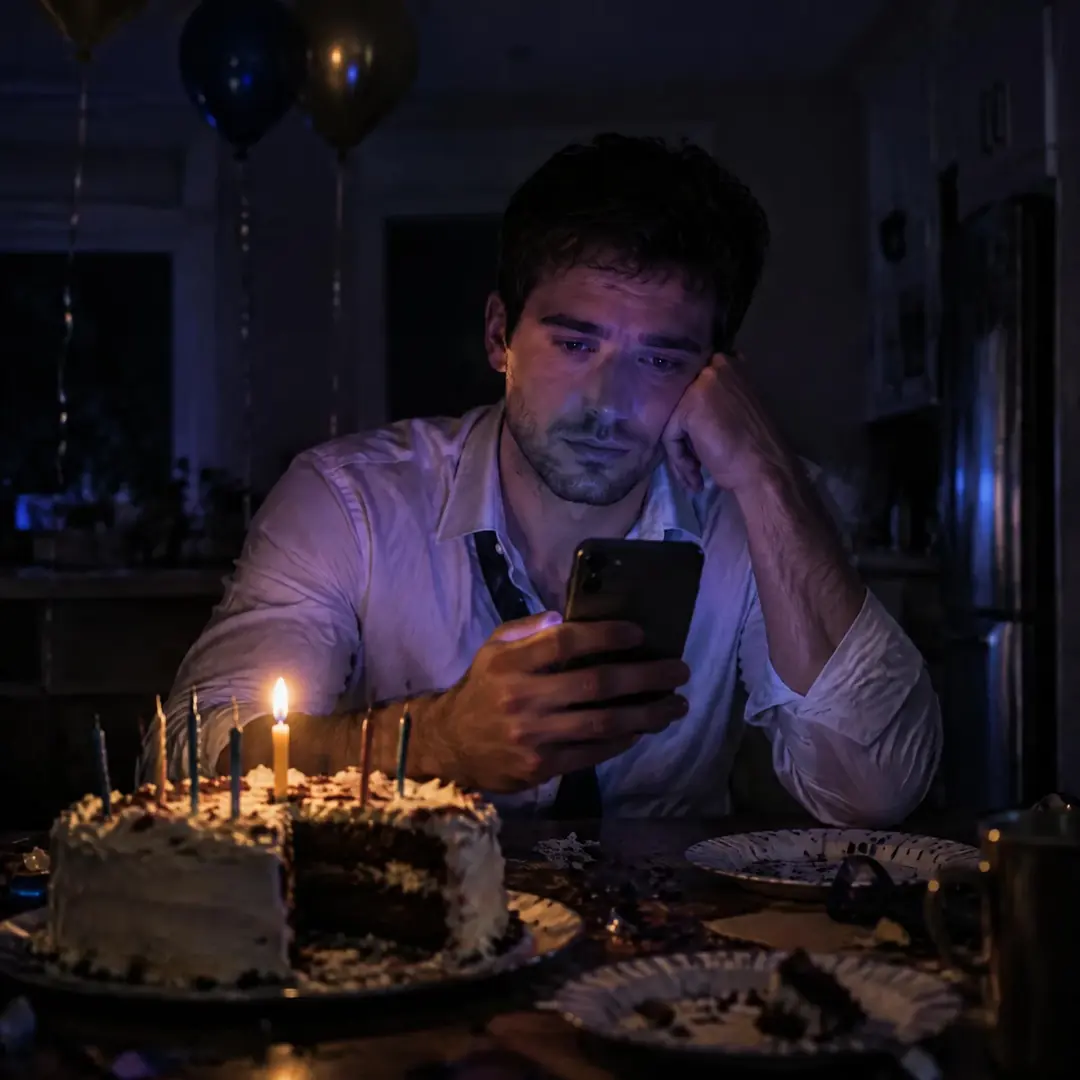 Storage Full
 Night Shift
 Emergency Contact
 Pinned at the Top
 The Wrong Number
 Screenshot
 Do Not Disturb
 Close Friends, Just Me
 Are You Up?
 This Message Was Deleted
 Read Receipts
 Last Seen June