Guides5 min read
How to write a rap verse: 16 bars, step by step
How to write a rap verse, step by step: count 16 bars over a beat, find an angle, write punchlines and multis, plan your breath, edit and record a demo.
Learning how to write a rap verse starts with one number: 16. A standard verse is 16 bars, about 16 lines, each one bar of four beats long. Build it in four blocks of four bars, give each block a strong last line, and rap every draft out loud over the beat until the words sit in the pocket.
Here is the process step by step, with example bars you can pull apart.
How to write a rap verse: first, count the 16 bars
A bar is one measure of four beats. On most hip-hop beats you can count it with the drums: the kick lands on 1, the snare on 2 and 4. One line usually fills one bar, so 16 bars means about 16 lines. At 90 BPM a bar lasts 2.7 seconds, and a 16-bar verse runs about 43 seconds.
To count, loop the beat and say “one, two, three, four” out loud, clapping on the snare. Every four or eight bars, most beats change something: a drum fill, a new sound, a drop. Those changes are your landmarks. Write one bar per line and leave a gap after every fourth, so the page looks the way the beat sounds.
Trap needs one warning. At 140 BPM the snare hits once per bar, on 3, so rappers often count the slower half-time pulse, and one of their bars covers two in the producer’s software. When someone asks for 16 bars, check which kind they mean.
Step 1: pick a topic, then an angle
A topic is what the verse is about. An angle is the one way into it that nobody else would pick. “My mother worked hard for us” is a topic. “She drove the night bus, and I did my homework on the back seat” is an angle, and it hands you pictures for all 16 bars: the fare box, the empty stops, the heater, the sunrise.
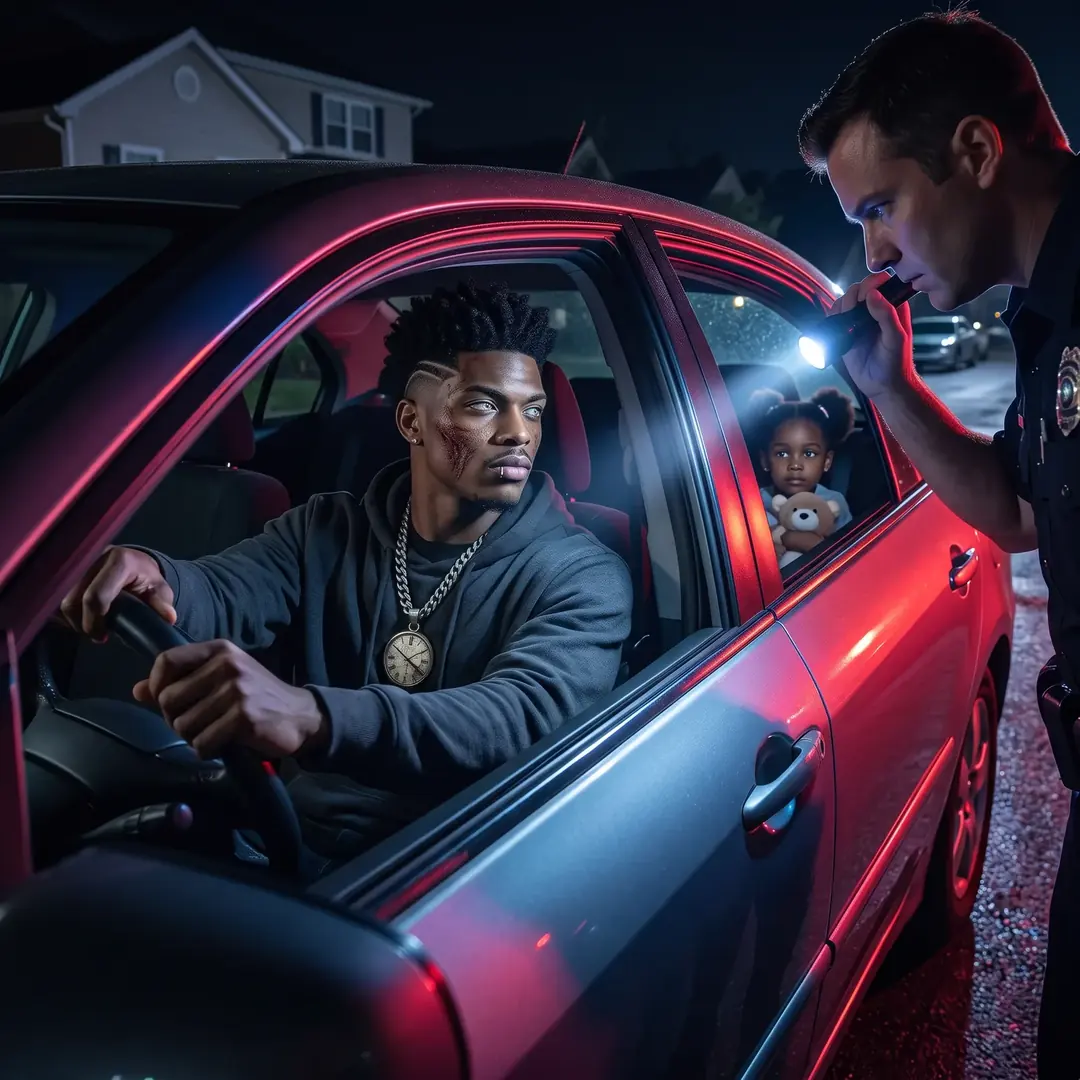
Jax Morrow’s “Ten and Two” shows how far one angle can carry a song. The topic is a police traffic stop; the angle is the hands kept on the steering wheel at ten and two, still as a prayer: “Some pray on their knees, we pray at ten and two.” Test yours in one sentence: this verse is about ___, seen through ___.
Step 2: write the punchline first
A punchline is a bar that turns. The first half sets something up, and the second half flips it with a double meaning, a twist or a hard truth. Put one at the end of every four-bar block, where the beat tends to change, so each block lands the way a joke does.
Write the punchline before the bars that lead to it. Once you know where a block ends, the three bars before it only have to point there.
Flat: My mama worked so hard to get me on the stage.
Punchline: Mama drove the night bus just to keep the rent paid, / that’s why I know every stop on the way to the stage.
“Every stop” is a bus stop and every step of the climb at once. That double meaning is the punch.
Step 3: multisyllabic and internal rhymes
A single rhyme matches one syllable: “late” and “wait”. A multisyllabic rhyme, or multi, matches two or more vowel sounds in a row while the consonants change: “day off”, “paid off”, “eight stops” and “way off” all ride the same ay–o sound. Rap rhymes follow the vowels you hear, not the letters you see.
Mama drove the night bus, never took a day off,
kept a coffee tin of coins until the car was paid off,
I did my homework on the back seat, eight stops,
told her she could stop one day, she laughed and said I’m way off.
Internal rhymes sit inside the bar instead of only at the end. In “She clocked in, locked in, knocked out the late shift, / came home and found my verse on the back of her pay slip”, three rhymes land before the first bar ends, and “late shift” and “pay slip” match two sounds across the pair. Stack both kinds and a plain story starts to sound built.
Step 4: flow and breath
Flow is where your syllables land against the beat. A bar of eighth notes holds 8 syllables and a bar of sixteenths holds 16, so most bars mix the two and land in between. Keep one pattern for the first eight bars, then change something at bar 9: double up, start a beat late or leave a gap. The change wakes the ear up for the second half.
Plan your breaths, because nobody raps 16 bars on one. Mark them with a slash, usually after a punchline or before a new block, and cut a syllable from any bar that leaves you gasping. A rest is part of the flow too: one empty beat makes the next word hit harder.
Step 5: edit, then record a demo
Let the verse sit for a day, then rap it over the beat and edit with this list:
- Circle every bar you stumble on, then fix it or cut it.
- Delete filler like “really”, “just” and “yeah” that only pads a bar.
- Check that each bar adds a picture, a fact or a turn. If it adds nothing, it goes.
- Make sure the rhymes land on stressed syllables, where the beat puts its weight.
- If the opening is weak, move your best bar into the first block.
Your phone is enough for a demo. Wear headphones with the beat in them, so the microphone hears only you, and pick a quiet room with soft things around, like a wardrobe full of clothes. Hold the phone about a hand’s length away and slightly to the side, so your p and b sounds don’t pop.
Record three full takes, keep the best and listen again the next day on cheap earbuds. The bars that still make you nod are your verse.
When writing feels easy, train the other muscle: the Voice world has a “16 bars freestyle” dare where you rap off the top of your head over a Vibnelo instrumental, for up to 30 seconds. To turn your verse into a song, write the hook with nine habits for a chorus people remember, pick a sound from the hip-hop guide, then drop the finished track into Hook Lab, which finds its best 30 seconds.
Questions people ask
How long is a 16-bar verse?
It depends on the tempo. At 90 BPM, 16 bars take about 43 seconds. At 140 BPM they take about 27 seconds if you count every bar, or about 55 if you count in half time, as rappers often do on trap.
How many lines is 16 bars?
Usually 16 lines, one per bar. A fast flow can fit two short lines into a bar and a slow one can stretch a line across two, so count by the beat, not by the page.
How do I start writing rap as a beginner?
Start with four bars, not sixteen. Pick an instrumental you love, write one block about something that happened to you this week and rap it until it sits right, then write the next four.
Should I write the hook or the verse first?
Either works, but a hook written first gives every verse a target. If the verse comes first, look at its strongest line: it is often the hook in disguise.
Is freestyling better than writing?
They train different things. Freestyle builds speed and pocket; writing lets you pack in multis, punchlines and a story. Practise both, and write down the freestyle bars you keep coming back to.
Hear it in Vibnelo
Ten and Two · Jax Morrow
Ten and two, ten and two
The photo at the top comes from this hook. Play it and watch the words light up as they are sung.
Play the hook